
Slow living is becoming popular in today’s fast-paced world. This article explains why and how Yogic principles offer a deeper solution.
Over the past few years, there has been a noticeable shift in how people talk about life. Words like “slow living,” “intentional living,” and “simplifying life” are appearing more frequently, not just in wellness spaces but in everyday conversations. People who once valued speed, productivity, and constant engagement are now beginning to question whether that approach is sustainable.
This shift did not happen suddenly. It has been building quietly, shaped by the conditions of modern life.
Today, it is possible to remain mentally occupied from the moment you wake up until the moment you sleep. Devices, notifications, and continuous streams of information ensure that attention is rarely at rest. Even moments that appear quiet are often filled with subtle activity, scrolling, checking, reacting.
At first, this constant engagement feels efficient. It creates a sense of movement, of doing something. But over time, it produces a different effect.
The mind does not settle.
The Nature of Modern Speed
Modern life is not just fast in terms of physical activity. It is fast in terms of mental movement.
Tasks are completed quickly, but thoughts continue beyond the task. Conversations end, but they replay mentally. Decisions are made, but they are revisited repeatedly.
This creates a situation where the mind rarely experiences completion.
There is always something pending, not necessarily in reality, but in perception.
This continuous movement has a cumulative effect. It leads to fatigue that is not purely physical. It is a kind of mental exhaustion that does not resolve easily, even with rest.
This is one of the reasons why many people are now drawn toward the idea of slowing down.
Slow Living: What It Actually Means
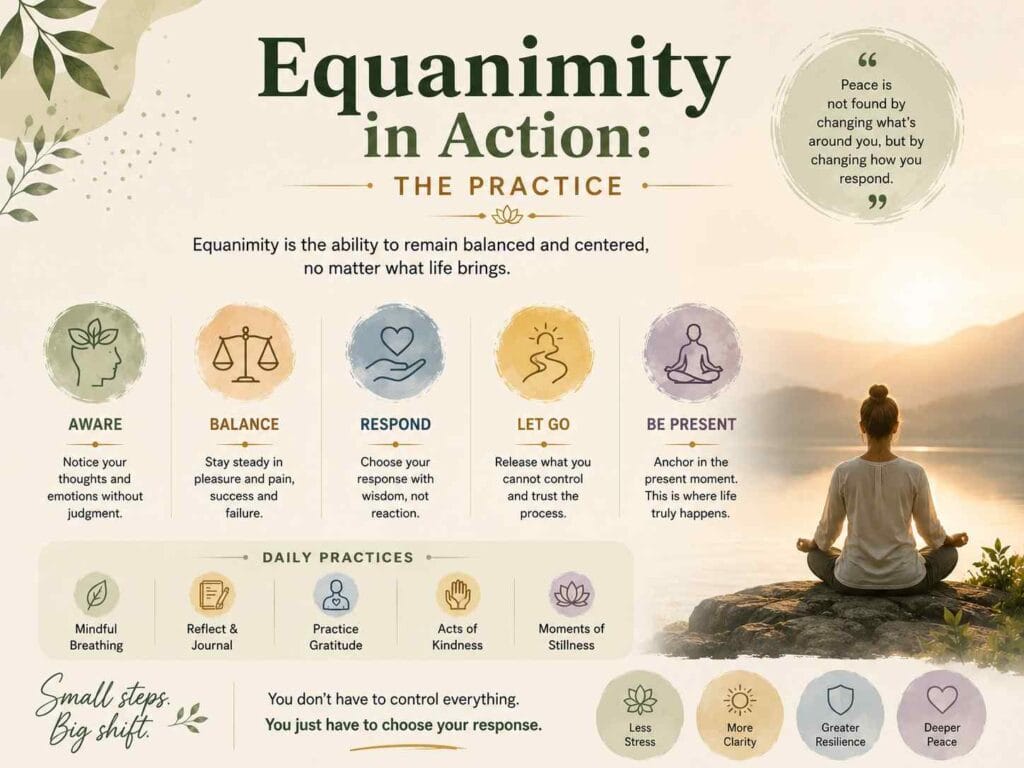
Slow living is often misunderstood as doing less or avoiding responsibility.
In its more accurate sense, it is not about reducing activity. It is about changing the way activity is approached.
It involves:
- Reducing unnecessary speed
- Allowing time for completion
- Being more deliberate in action
- Avoiding constant fragmentation of attention
This does not mean withdrawing from life. It means engaging with it differently.
Why the Shift Is Happening Now
The increasing interest in slow living can be understood as a response to imbalance.
When speed becomes excessive, the system begins to resist it.
This resistance appears in different forms:
- Burnout
- Overthinking
- Reduced attention span
- A sense of constant pressure
These are not isolated problems. They are connected to the way life is structured.
When activity is continuous and unregulated, the mind does not have the opportunity to stabilize.
This is where the shift toward slowing down begins.
A Parallel in Yogic Understanding
While the term “slow living” is modern, the underlying principle is not.
In the Yoga Sutras of Patanjali, attention is central. The text does not encourage constant activity. It emphasizes the need for steadiness and continuity.
This steadiness cannot develop in a condition of constant distraction.
Similarly, the Bhagavad Gita highlights moderation. It states that extremes,whether in activity, rest, or consumption, disturb balance.
This applies directly to modern conditions.
Excessive speed is a form of imbalance.
The Role of Habit and Routine
One of the reasons modern life becomes fast is the absence of regulated patterns.
Irregular sleep, inconsistent eating, constant switching between tasks, these create instability.
The Hatha Yoga Pradipika emphasizes discipline in routine, particularly in food and daily habits. It suggests that irregularity disturbs both body and mind.
Slow living, when understood correctly, is not about slowing randomly. It is about restoring rhythm.
The Illusion of Productivity
A major factor behind constant speed is the idea that more activity leads to better outcomes.
But this is not always accurate.
When attention is divided, the quality of work reduces. Tasks may be completed, but without depth or clarity.
This creates a cycle:
- More work is done
- But results feel incomplete
- Which leads to more effort
Slow living challenges this cycle by focusing on quality rather than quantity.
Attention as a Limited Resource
One of the most overlooked aspects of modern life is the fragmentation of attention.
Every notification, every switch between tasks, every interruption divides attention.
Over time, this makes it difficult to remain focused on a single thing.
This is where the connection with Yogic practice becomes clear.
In Yoga, attention is not assumed to be stable. It is trained.
Without this training, attention continues to fragment.
Slow living supports this by reducing unnecessary inputs.
Practical Application: Slowing Without Withdrawing
The idea of slow living often seems difficult because it is interpreted as a major lifestyle change.
In practice, it can begin with small adjustments.
1. Completing One Task at a Time
Instead of switching constantly, allow one activity to reach completion before moving to the next.
2. Creating Gaps Between Activities
Short pauses between tasks allow the mind to reset.
3. Regulating Daily Rhythm
Consistent timing in sleep, meals, and work creates stability.
4. Reducing Unnecessary Input
Limiting exposure to constant information reduces mental movement.
The Role of Breath and Body
The connection between breath and mind is emphasized in the Hatha Yoga Pradipika.
When the breath is rapid and irregular, the mind tends to be unsettled. When the breath becomes steady, the mind follows.
This provides a direct way to slow down internally, even when external conditions remain active.
Simple awareness of breath can create a shift.
Why Slowing Down Feels Difficult
One of the reasons slow living is challenging is that it goes against established patterns.
When the mind is used to constant movement, slowing down can feel uncomfortable.
There may be a sense of losing time or falling behind.
But this discomfort is often temporary.
It reflects the adjustment from speed to steadiness.
What Begins to Change
With consistent practice, certain changes become noticeable.
- Attention becomes more stable
- Reactions become less immediate
- There is more clarity in action
- The sense of urgency reduces
These changes are gradual, but they affect how life is experienced.
A Balanced Perspective
It is important to understand that slow living is not about rejecting speed entirely.
There are situations that require quick response and efficiency.
The goal is not to eliminate speed, but to prevent it from becoming constant.
Balance is the key.
The growing interest in slow living is not a trend without reason. It reflects a response to the conditions of modern life, where constant speed and stimulation have created imbalance.
Through the perspective of classical Yogic texts, it becomes clear that this imbalance is not new in nature, even if its form is modern.
The solution is not to withdraw from activity, but to engage with it differently, with more awareness, more regulation, and less unnecessary movement.
Slow living, in this sense, is not about doing less. It is about doing with clarity. And in that clarity, both activity and rest begin to take their proper place.