
Ancient Knowledge. Simplified.
Yoga Shastra The Original Texts
Thousands of years before yoga became a fitness trend, it was a precise science of the mind. These are the original texts. Read carefully, summarised honestly, and made simple for the modern seeker.
Choose Your Scripture
Three foundational texts. Each one a complete guide to a different dimension of yoga.
Text 01
Patanjali Yoga Sutras
400 BCE. 196 Sutras. 4 Chapters.
The most precise manual ever written for the human mind. Patanjali did not invent yoga. He compiled its entire science into 196 short sutras. This is where real yoga begins.
Pada 1: Samadhi Pada. Pada 2: Sadhana Pada. Pada 3: Vibhuti Pada. Pada 4: Kaivalya Pada.
Read Chapter IndexText 02
Hatha Yoga Pradipika
15th Century CE. 4 Chapters. Author: Swatmarama.
The original manual for Hatha Yoga. Asanas, pranayama, mudras, bandhas, and shatkarma. Written over 600 years ago, this text reveals that yoga was never just about flexibility.
Ch 1: Asanas and Shatkarma. Ch 2: Pranayama and Kumbhaka. Ch 3: Mudras and Bandhas. Ch 4: Samadhi and Nadanusandhana.
Read Chapter IndexText 03
Bhagavad Gita
2nd Century BCE. 18 Chapters. 700 Verses.
The conversation between Arjuna and Krishna on a battlefield that became the most profound guide to life ever written.
Ch 1: Arjuna Vishada Yoga. Ch 2: Sankhya Yoga. Ch 3: Karma Yoga. Ch 4: Jnana Yoga…
Read Chapter IndexAll chapters below are published as individual posts. Read in order or jump to any chapter directly.
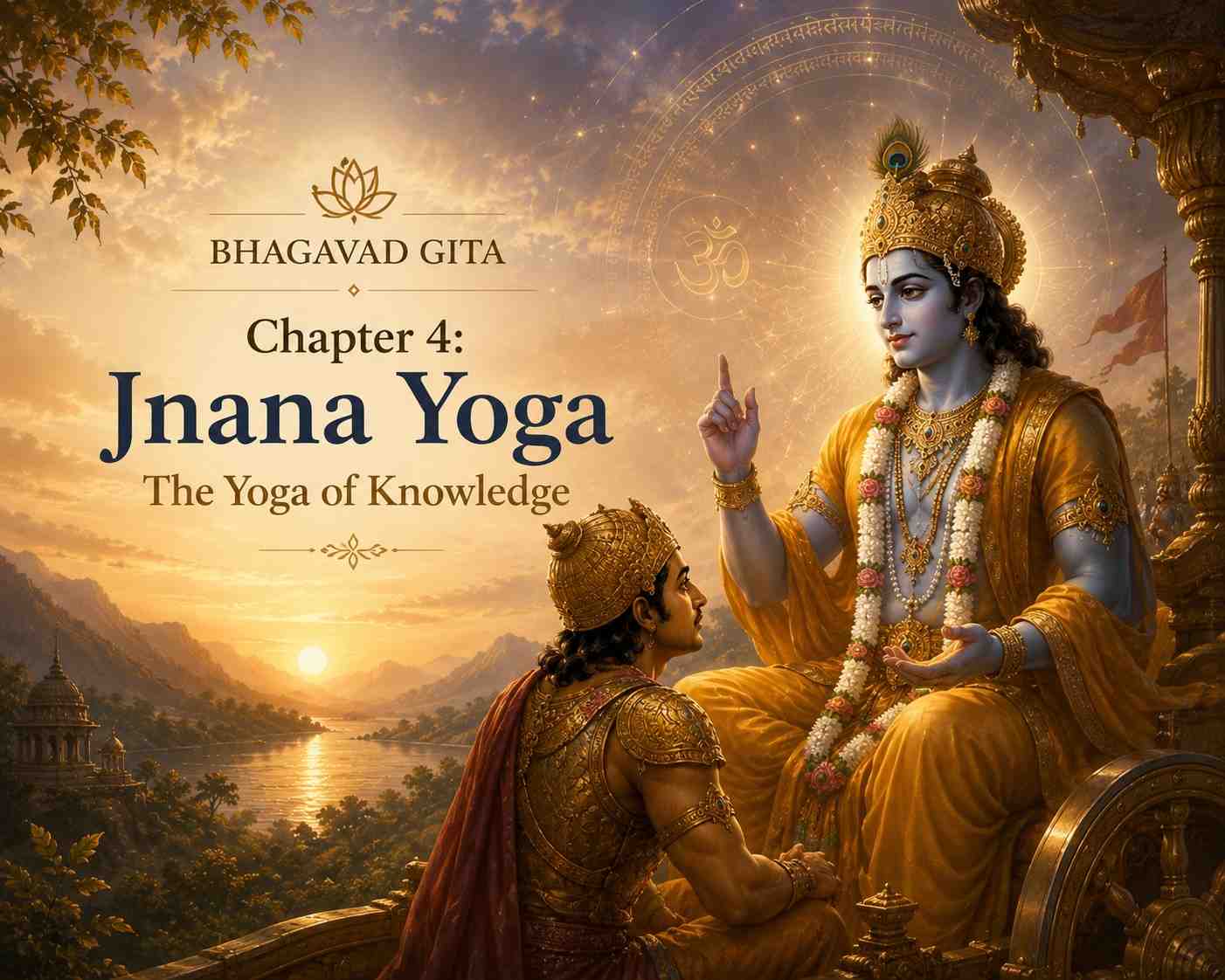
Chapter 4: Jnana Yoga – The Yoga of Knowledge
Explore Chapter 4 of the Bhagavad Gita in depth. Understand Jnana Yoga, the Yoga of Knowledge, divine manifestation, yajña, karma, and the liberating power of wisdom. Introduction to Chapter 4 Chapter 4 of the Bhagavad Gita marks a significant transition in the dialogue between Krishna and Arjuna. In the earlier chapters, Krishna establishes the foundations
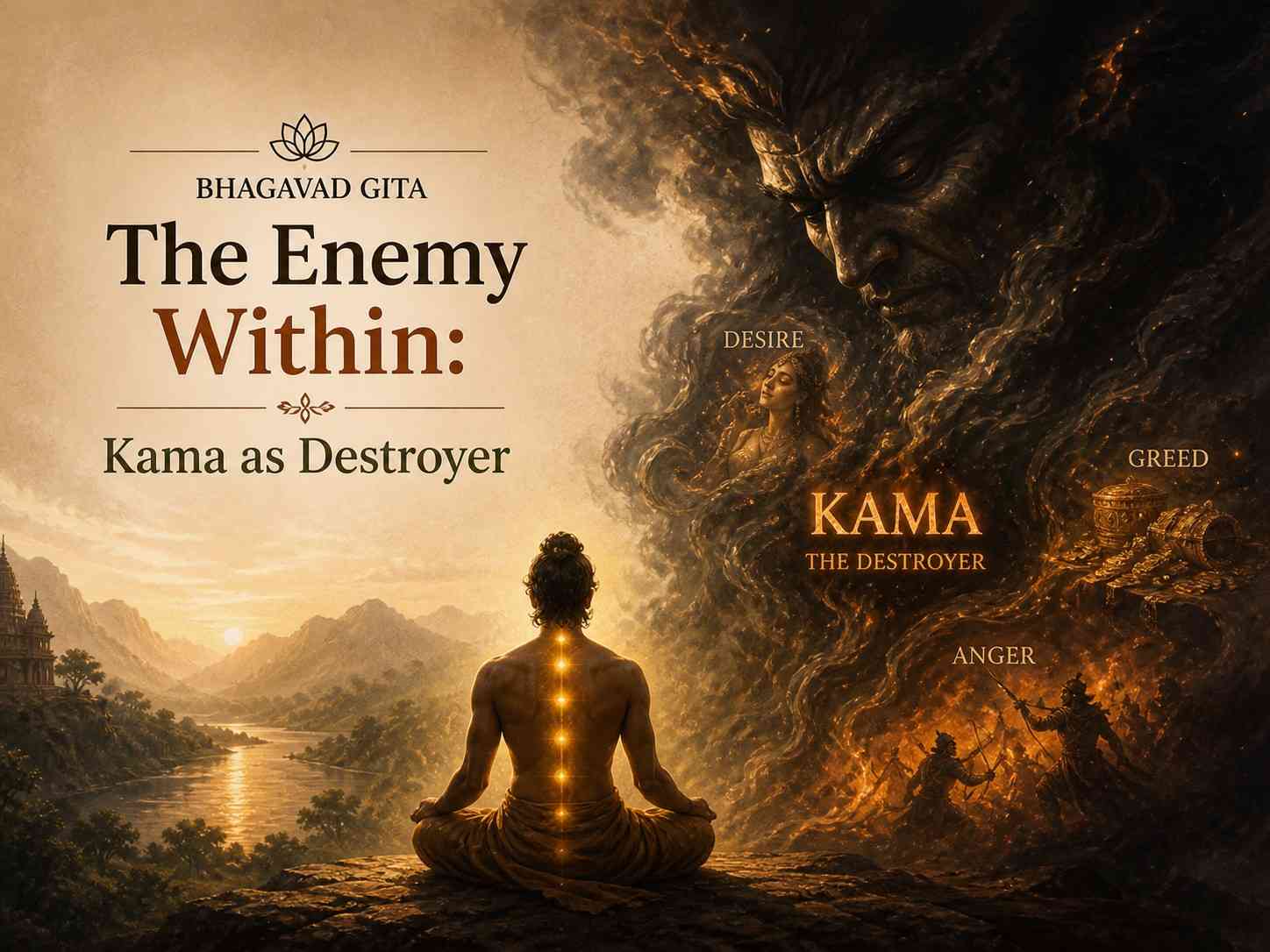
The Enemy Within: Kama as Destroyer
Explore Krishna’s teaching on kāma as the “enemy within” in Chapter 3 of the Bhagavad Gita. Understand how desire clouds clarity, creates anger, and disturbs the mind. A Question After Understanding The battlefield of Kurukshetra had not changed. The armies still faced one another with the same intensity, the possibility of destruction still remained, and
Action Without Attachment: The Core Teaching
Discover the meaning of action without attachment in Chapter 3 of the Bhagavad Gita. Learn how Krishna explains Karma Yoga, dharma, and freedom through action. A Story from the Battlefield On the battlefield of Kurukshetra, just before the war begins, the Bhagavad Gita presents a moment of profound psychological tension. Two armies stand prepared. Conches
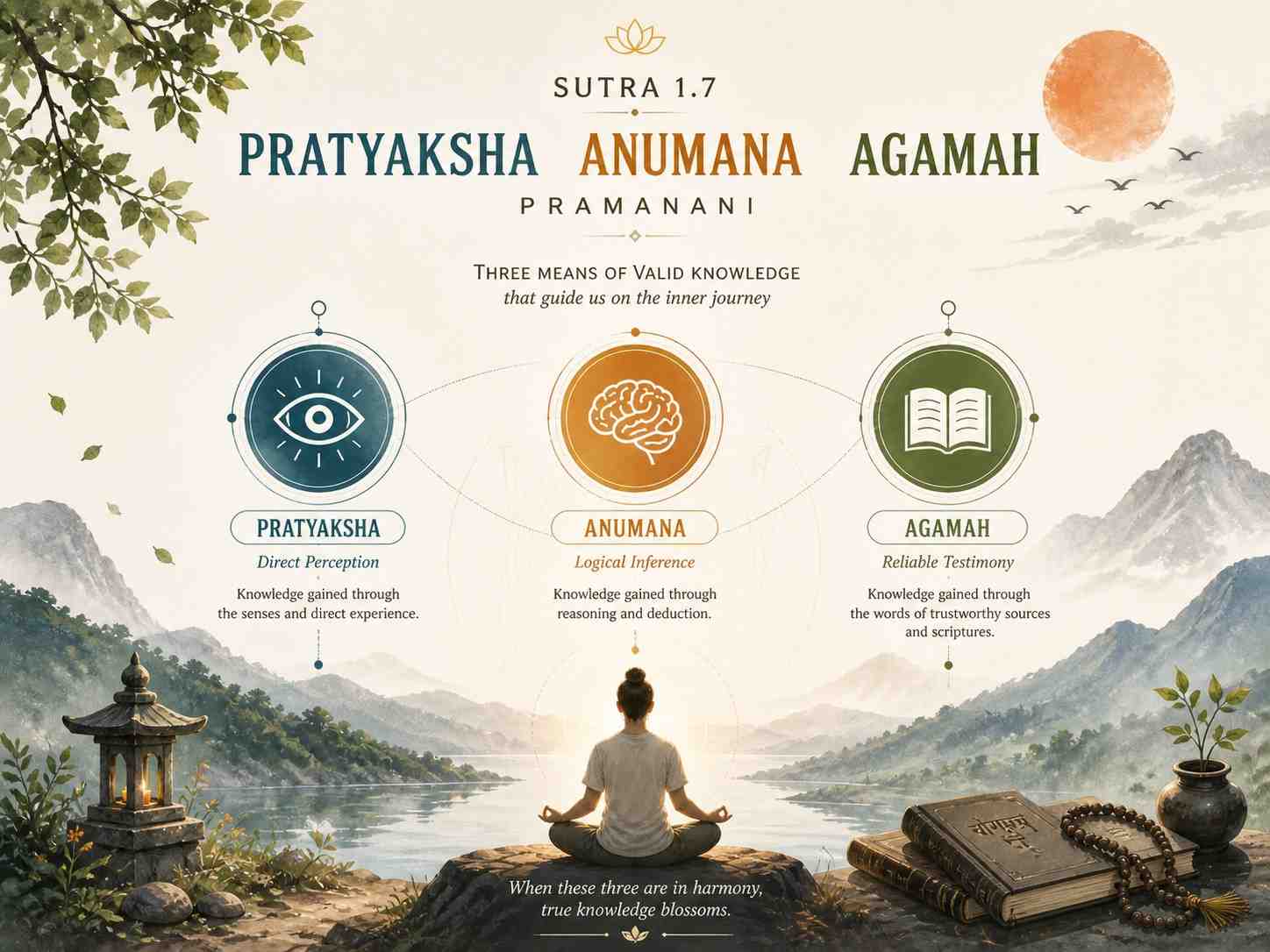
Sutra 1.7: Pratyaksha Anumana Agamah Pramanani
Understand Yoga Sutra 1.7 in depth. Learn pratyaksha, anumana, and agama as valid knowledge and how they shape clarity in meditation and daily life. The Sutra (Original) प्रत्यक्षानुमानागमाः प्रमाणानि Translation “Valid means of knowledge (pramāṇa) are direct perception (pratyakṣa), inference (anumāna), and authoritative testimony (āgama).” Introduction In the Yoga Sutras of Patanjali, Sutra 1.7 follows
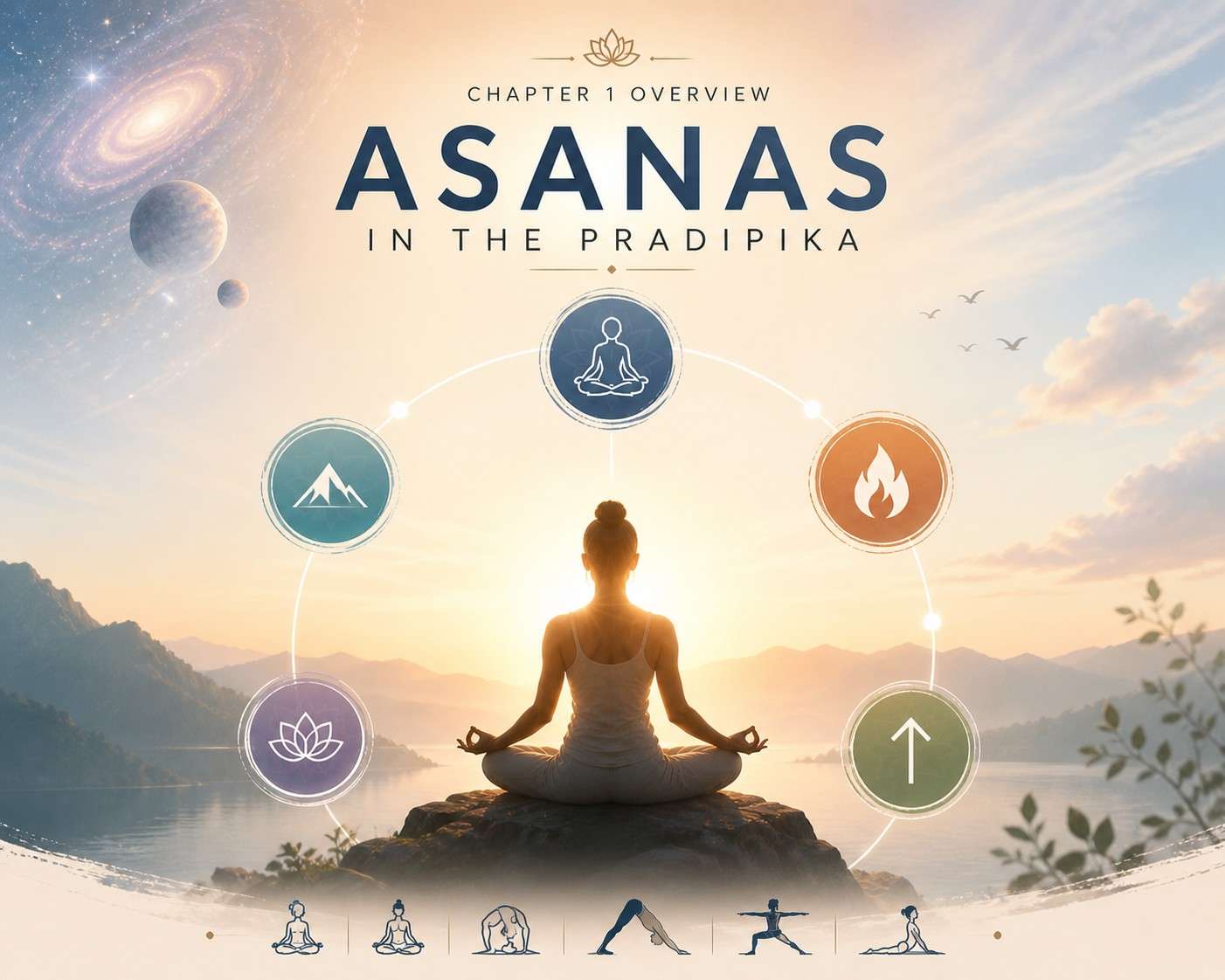
Chapter 1 Overview: Asanas in the hatha yoga Pradipika
Explore Chapter 1 of the Hatha Yoga Pradipika with translation and explanation. Understand the true purpose of asanas, stability, and preparation in yoga. From the Hatha Yoga Pradipika (Note: This is a faithful, classical English rendering based on traditional commentaries. Slight wording differences exist across editions, but meaning remains consistent.) 1.1 Salutations to Ādinātha (Śiva),
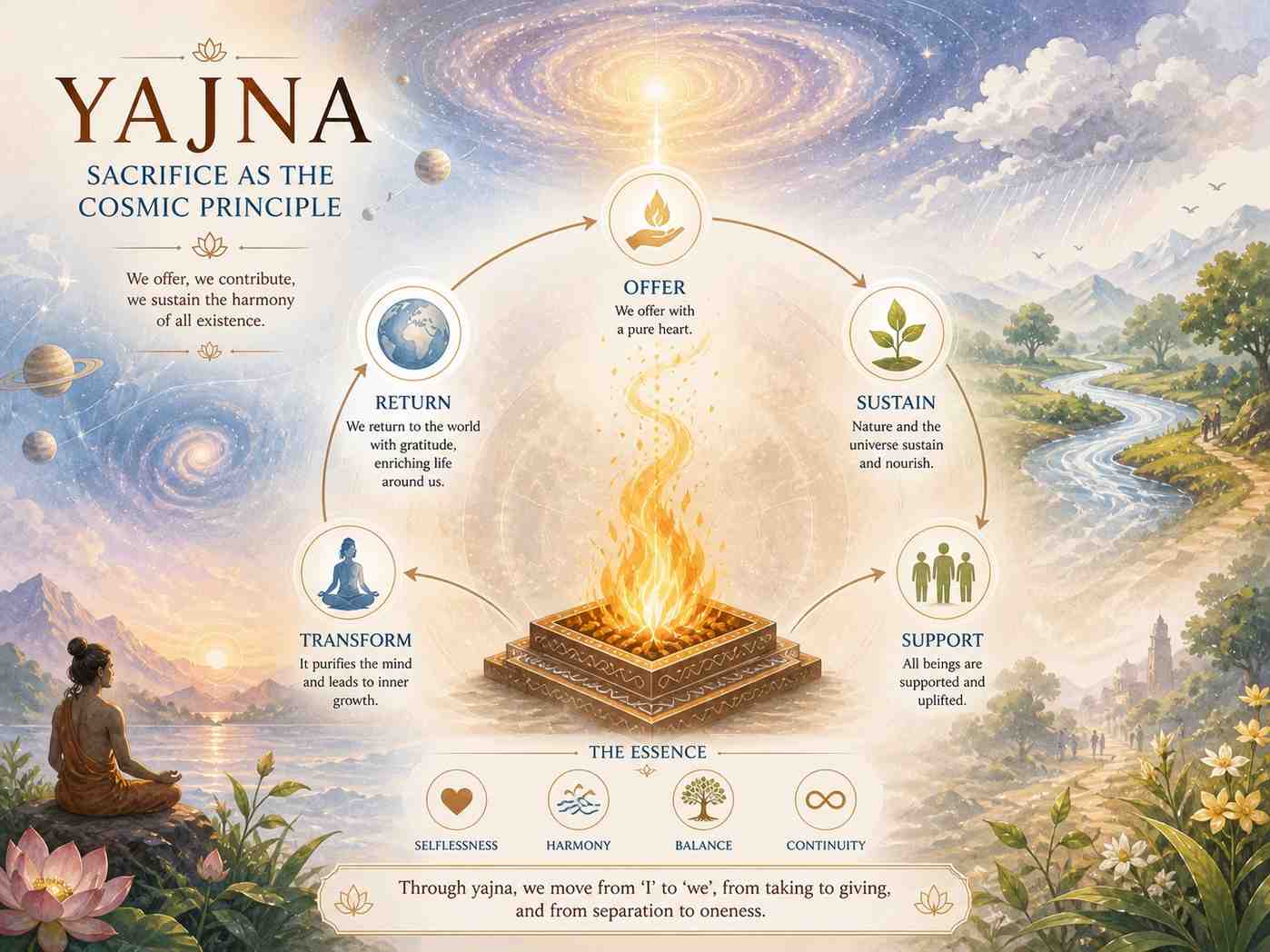
Yajna: Sacrifice as the Cosmic Principle
Discover the deeper meaning of yajña in the Bhagavad Gita. Learn how sacrifice as a cosmic principle transforms action into clarity, balance, and freedom. Introduction The concept of yajña (sacrifice) holds a central position in the teachings of the Bhagavad Gita, particularly in Chapter 3, where it is presented not merely as a ritual, but
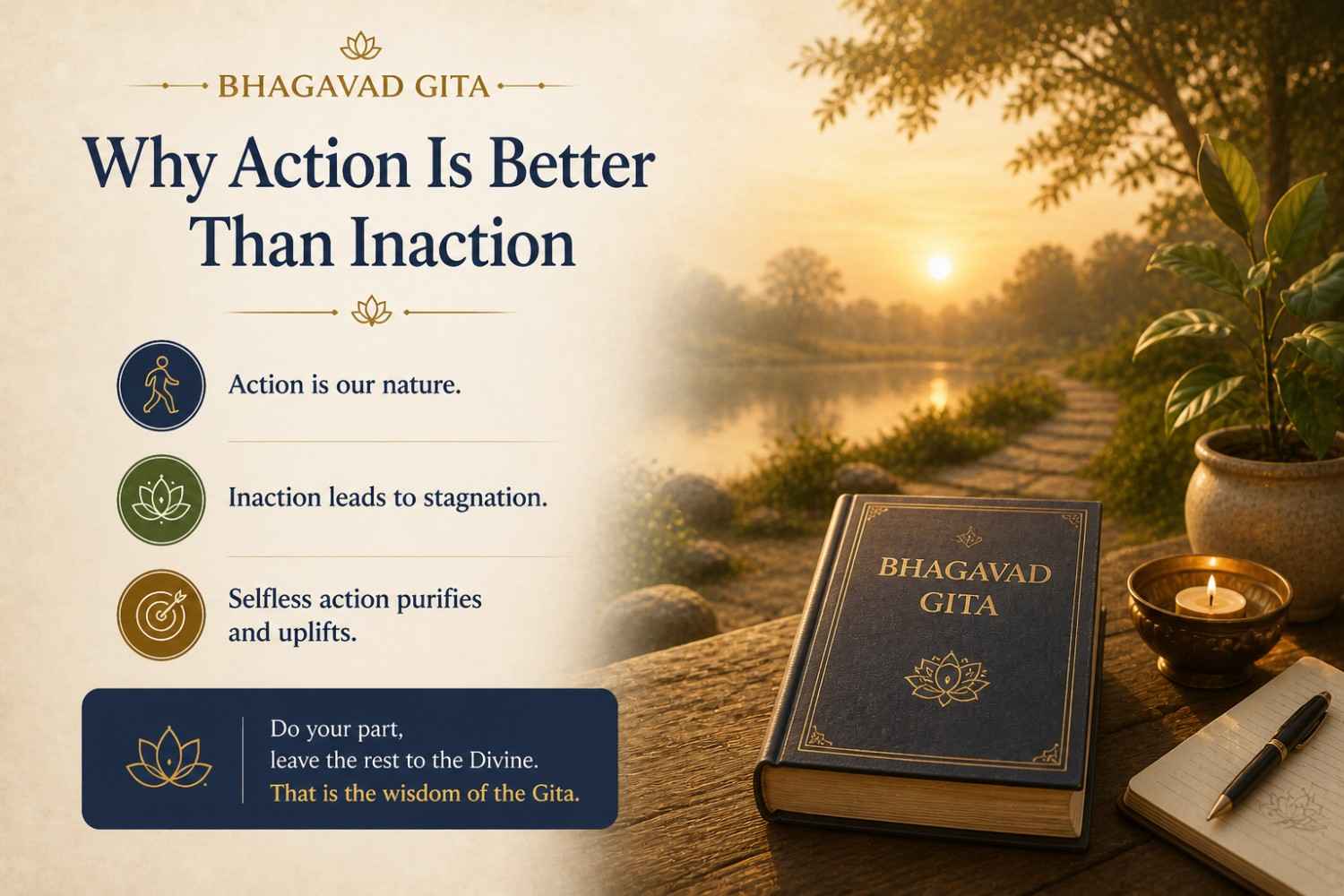
Why Action Is Better Than Inaction
Discover why the Bhagavad Gita teaches that action is better than inaction. Learn karma yoga, dharma, and how right action leads to clarity and stability. Introduction In Chapter 3 of the Bhagavad Gita, Arjuna’s question reflects a deeper confusion, one that arises when knowledge begins to develop but is not yet fully integrated. If clarity
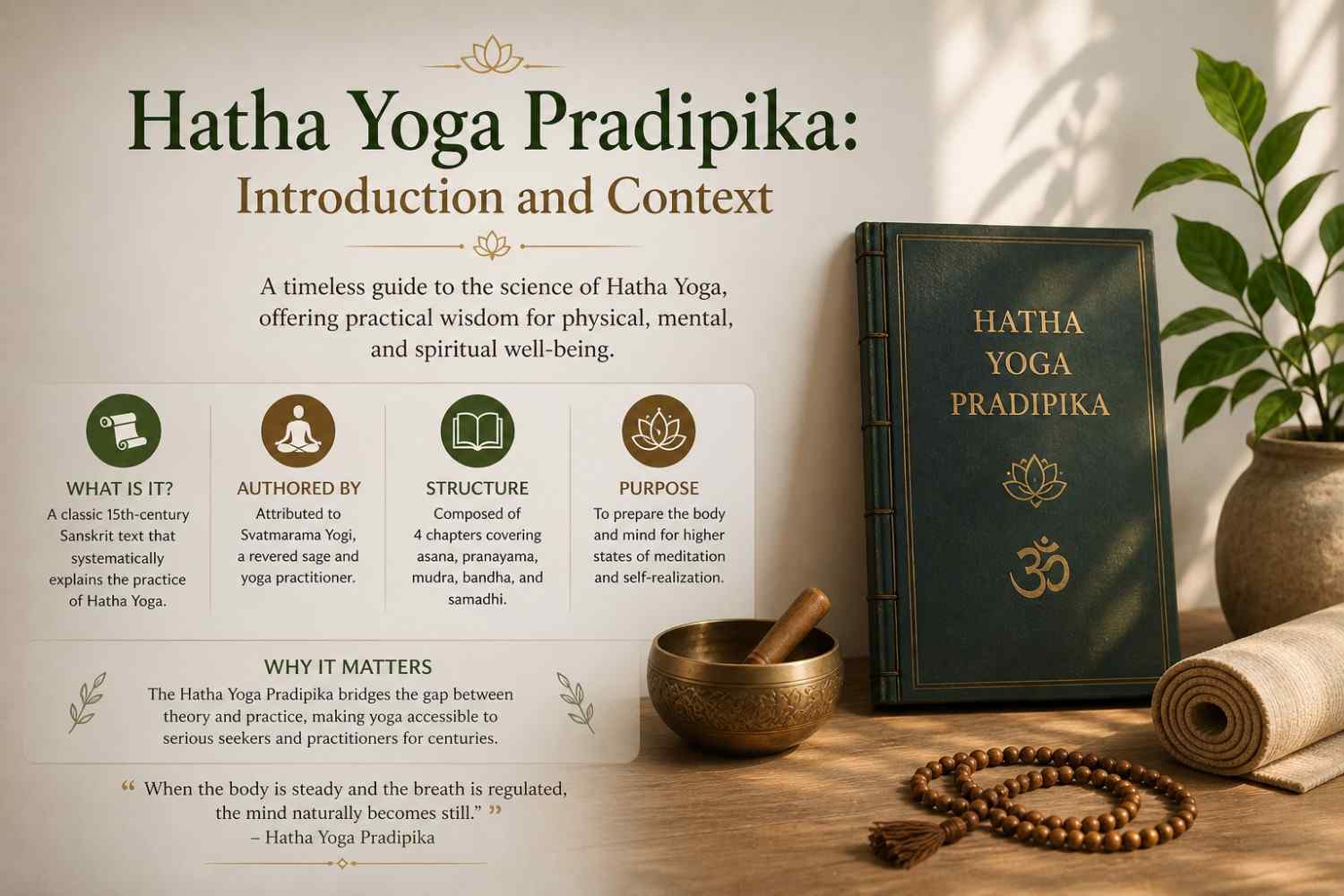
Hatha Yoga Pradipika: Introduction and Context
Explore the Hatha Yoga Pradipika, its meaning, structure, and role in classical yoga. Understand how body, breath, and mind are prepared for deeper awareness. Introduction The Hatha Yoga Pradipika holds a central place in the development of Haṭha Yoga as a structured discipline. Compiled by Swami Swatmarama, the text does not merely present isolated practices,
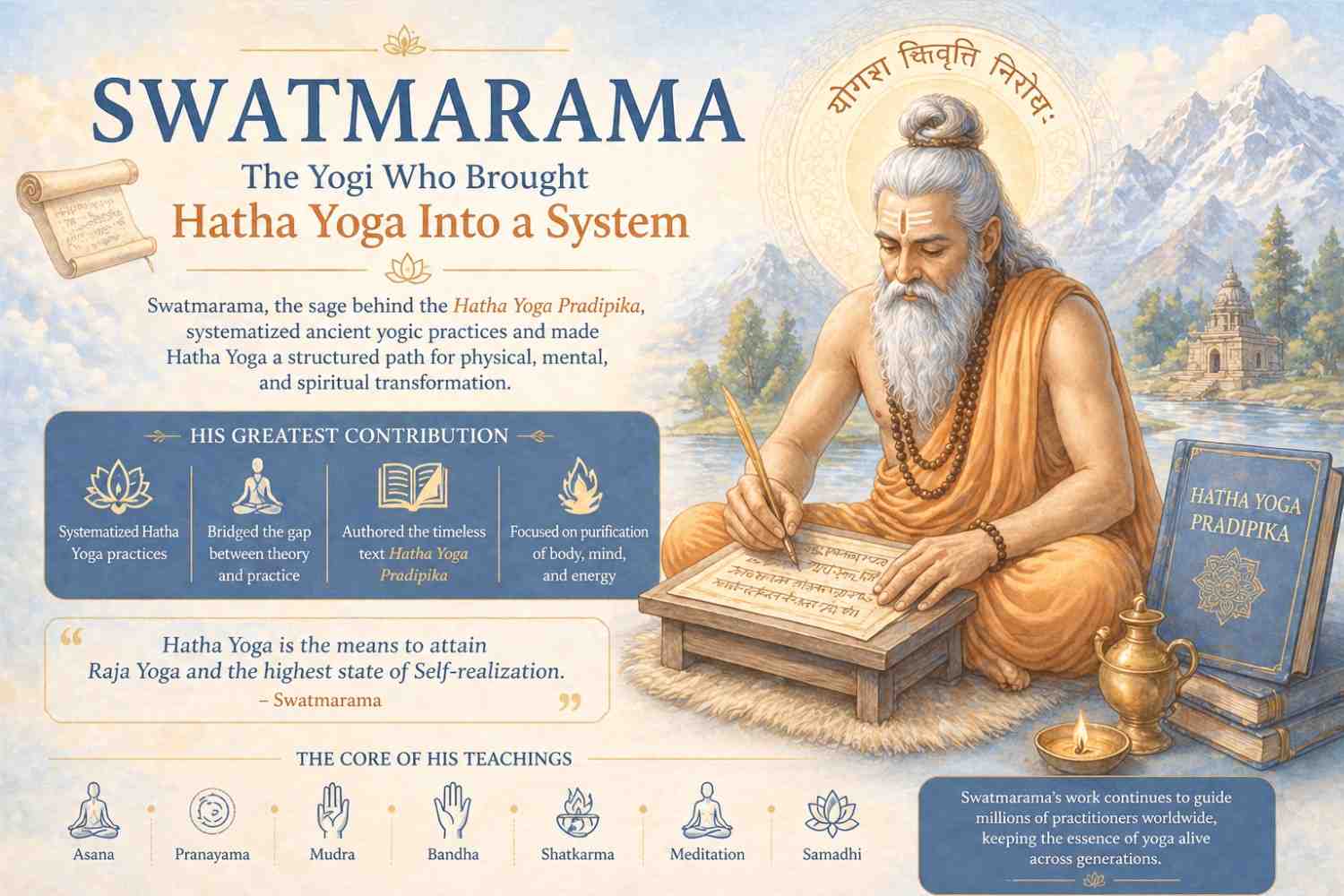
Swatmarama: The Yogi Who Brought Hatha Yoga Into a System
the life and teachings of Swatmarama, the author of the Hatha Yoga Pradipika, and understand how his work shaped the foundation of Hatha Yoga through body, breath, and energy practices. Introduction In the history of yoga, some names are widely recognized and frequently discussed, while others work quietly in the background, shaping entire traditions without
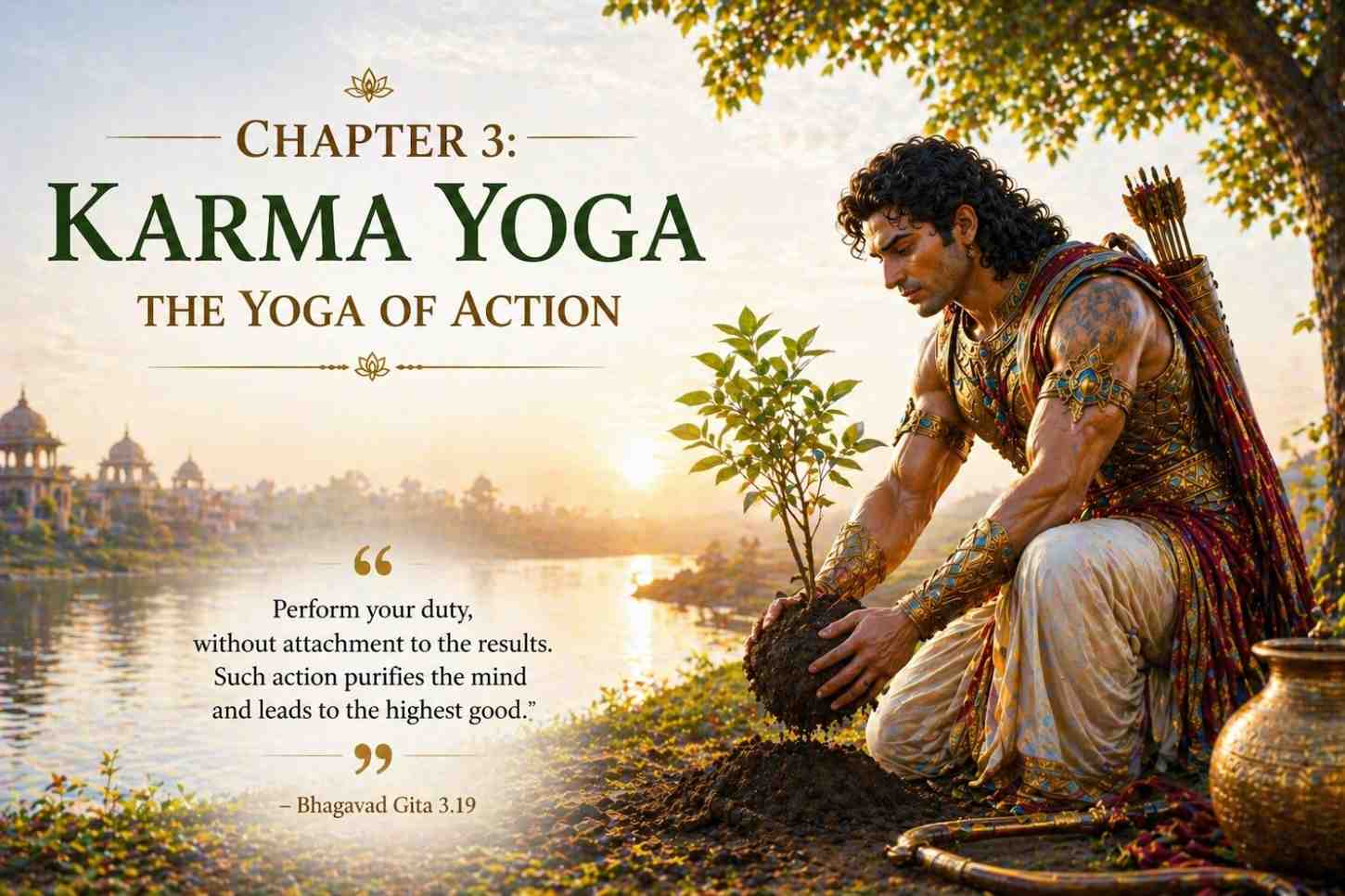
Chapter 3: Karma Yoga – The Yoga of Action
Explore Karma Yoga in Chapter 3 of the Bhagavad Gita. Learn how to act without attachment, reduce inner conflict, and bring clarity to everyday action. Verses 3.1–3.2 Arjuna said:If you consider knowledge superior to action, O Krishna, then why do you urge me to engage in this terrible action? Your words seem to confuse my